2-Year Residential Intermediate Programme
Build Your Future in Engineering, AI and Robotics. Begin After Class 10.
A two-year residential Intermediate MPC programme that combines strong academics with practical technology learning, Japanese-language readiness and structured preparation for higher education in India, Japan and other global destinations.
TGBIE Intermediate MPC
AI & Robotics
Japanese Language
Projects, Portfolio & OJT
MPC remains at the centre
A clear academic plan with meaningful technology exposure.
Students progressively build subject clarity, technology skills, Japanese language foundations and an academic profile for their next step after Class 12.
Strong MPC Academics
Technology Projects
Japan Readiness
A Clear Two-Year Plan
Academic learning, practical skills and higher-education preparation develop together, at an appropriate pace.
Year 1
Build Strong Foundations
Students settle into Intermediate academics, develop logical thinking and explore technology through guided learning.
Academic Syllabus
Intermediate MPC, Year I
- Mathematics 1A and 1B
- Physics
- Chemistry
- English 1
- Environmental Science
- Second Language, as prescribed by TGBIE
Programming and Logic
Introduction to C, C++ and Python, computational thinking, algorithms and problem-solving fundamentals.
Digital Systems and Web Foundations
Hardware, operating systems, MS Office, HTML, CSS, Bootstrap, Tailwind and introductory JavaScript.
AI Literacy and Responsible Workflows
Understand how AI tools work and how to use them responsibly for learning, research and productivity.
Robotics and Technology Exploration
An introduction to automation, sensors, robotics concepts and technology-led problem solving.
Japanese Language and Culture Foundation
JLPT N5-oriented preparation, cultural awareness and communication basics.
Year 2
Apply Skills and Prepare for Higher Education
Students strengthen academic performance while moving from exploration to applied technology projects, portfolio development and university preparation.
Academic Syllabus
Intermediate MPC, Year II
- Mathematics 2A and 2B
- Physics
- Chemistry
- English II
- Design Principles
- Second Language, as prescribed by TGBIE
Applied Programming and Software Development
Python, Computer Science fundamentals, full-stack programming, Node.js, Express.js and MongoDB.
AI, Data and Emerging Technology
Data analytics, visualisation, AI applications, cloud computing and DevOps fundamentals.
Robotics, Cybersecurity and Intelligent Systems
Robotics and automation applications, cybersecurity and ethical hacking essentials, systems thinking and technology problem-solving.
Digital Product and Interface Design
Technical UI/UX, system-based interface design, web and app prototypes.
Japanese Language, Projects, Portfolio and OJT
JLPT N4 to N3-focused preparation, communication practice, project documentation and guided OJT exposure.
Course Schedule & Preparation
A structured approach designed to balance theory, application, and exam readiness
Learning Structure
Students attend regular sessions covering both academic subjects and skill-based training:
Concept-driven classroom learning
Practical assignments and projects
Skill development workshops
Regular assessments and mock tests
Career guidance and mentoring
This structured approach builds strong subject clarity and boosts exam confidence.
Exam Schedule
Students follow the State Board Intermediate examination framework with continuous internal evaluation:
Internal Assessments
Weekly practice tests
Mid-term examinations
Pre-final examinations
Board Examinations
This blend of science + skills gives students a serious competitive edge
Students appear for the Intermediate Public Examinations conducted by the Board of Intermediate Education at the end of the academic year.
MPC Japan FuturePath learning journey
Seven Steps Towards a Technology Future
MPC Academics
Concept-driven Mathematics, Physics and Chemistry learning.
Programming Foundations
C, C++ and Python for logic, coding and problem solving.
AI Tools & Workflows
Practical, responsible use of AI for research, learning and projects.
Web & App Building
Build simple websites, interfaces and digital prototypes.
Robotics, Cybersecurity & Emerging Tech
Explore automation, intelligent systems and digital security.
Projects, Portfolio & OJT
Apply learning through projects and document meaningful work.
Entrance, Japanese & Study-Abroad Preparation
Build language, university research and application readiness.
Exam Preparation That Works
State Board Intermediate structure enhanced with continuous evaluation
Assessment Structure
Internal Assessments
Weekly Tests
Mid-term Exams
Pre-final Exams
Final Board Exams
Board Certification
Students appear for the Intermediate Public Examinations conducted by the Board of Intermediate Education.
What You Gain:
- Improved accuracy & speed
- Exam pattern familiarity
- Time management skills
- Performance tracking
- Confidence building
Japan Technology University Pathways
Explore technology education in Japan with informed preparation.
Japan offers a range of pathways in Engineering, Computer Science, Robotics, Artificial Intelligence, Electronics, Data Science and Innovation. Students are guided to research institutions based on their academic performance, interests, language readiness and current admission requirements.
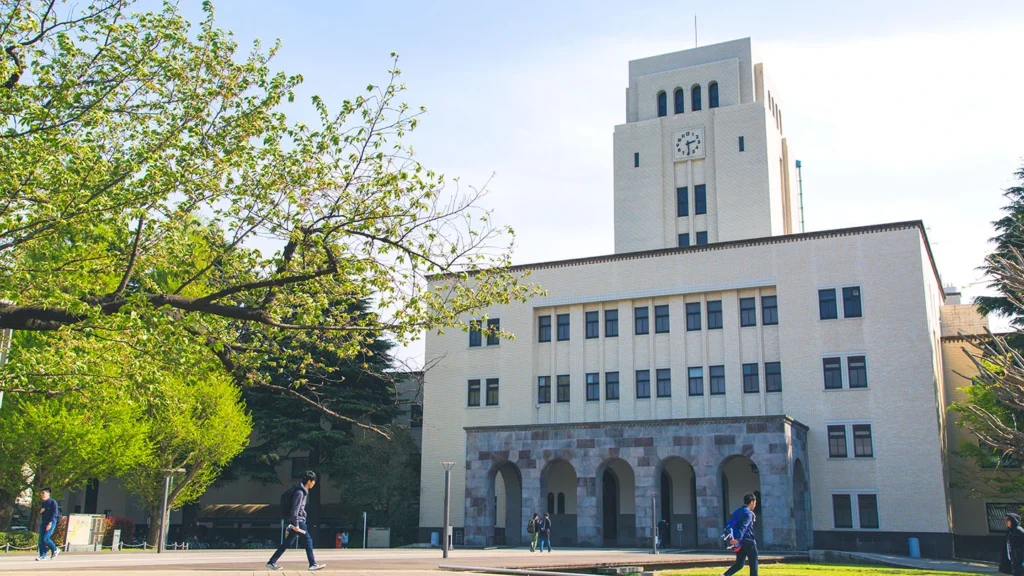
Tokyo
Institute of Science Tokyo
Engineering, Science, Technology and Innovation

Tokyo
The University of Tokyo
Engineering, Computer Science, Electronics and Research
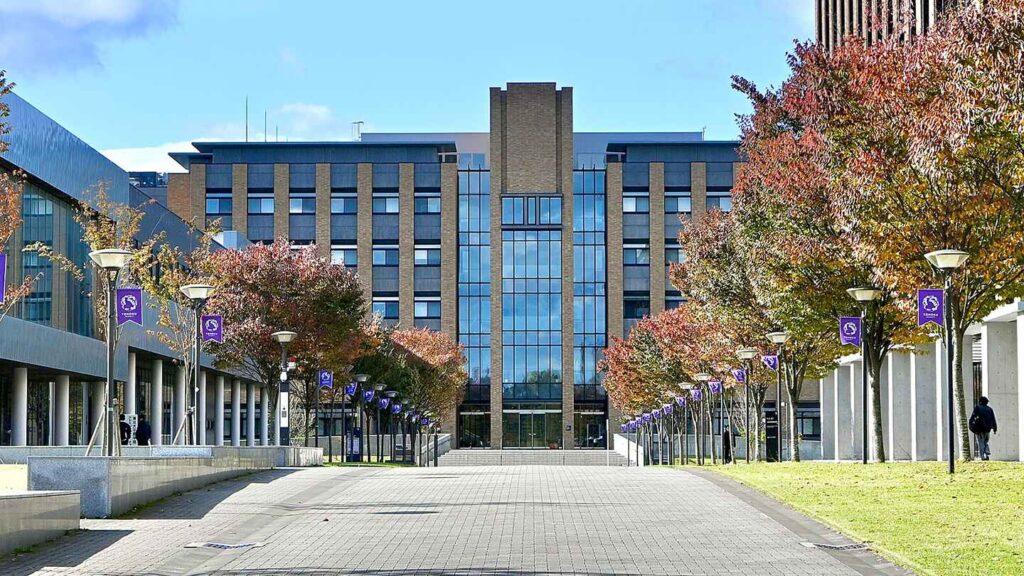
Sendai
Tohoku University
Mechanical Engineering, Aerospace, Materials and Technology
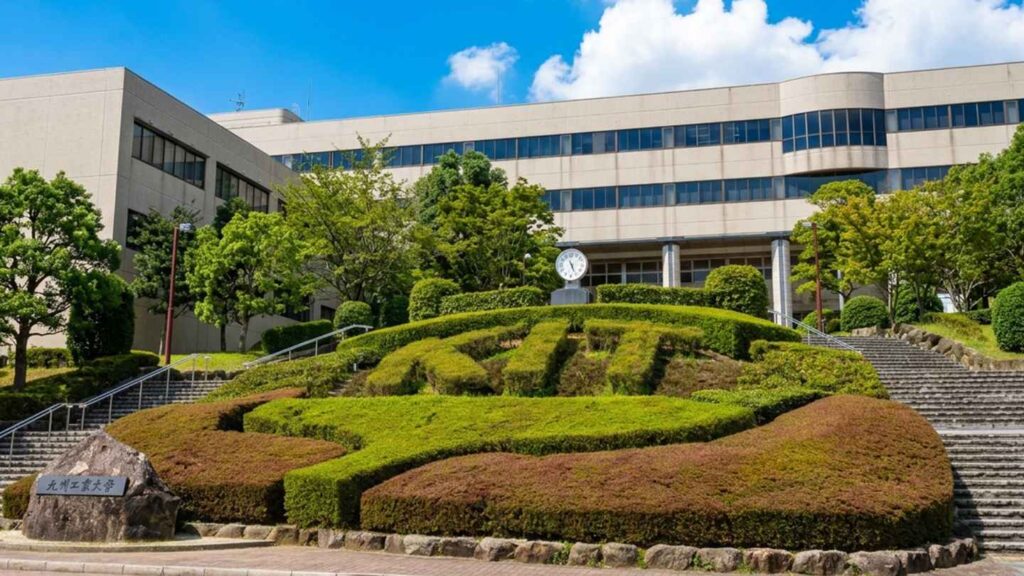
Fukuoka
Kyushu Institute of Technology
Engineering, Computer Science, Systems Engineering and Intelligent Systems
Preparation by destination
India, Japan and Global Pathways
Direction is provided around the Bachelor’s pathway a student chooses after Class 12.
India
Preparation for JEE Main, JEE Advanced, TG EAPCET, NATA, IIT-UCEED and other relevant entrance pathways.
Entrance-test readiness
Japan
Japanese language preparation, EJU awareness, university research, application timelines, profile review and interview preparation.
Japan university readiness
Global
SAT, English-language requirements where applicable, profile building and university application readiness.
International application planning
How students learn
Structure, Practice and Reflection
Concept-Driven MPC Classes
Build clarity in core subjects before moving to application.
Practical Technology Workshops
Learn through guided exercises, tools and project work.
Weekly Assessment
Track progress through regular practice and mock tests.
Projects & Presentations
Apply learning, explain ideas and document selected work.
Mentoring & Parent Reviews
Maintain a clear view of development, progress and direction.
Japanese Language Practice
Build consistency through ongoing language learning.
Portfolio Documentation
Record relevant projects for future academic applications.
OJT Exposure
Connect learning with real workplace expectations through guided exposure.
After Class 12
Possible Bachelor’s Pathways
The final choice should reflect the student’s interests, aptitude, academic performance, language proficiency and the admission requirements of the selected institution.
Eligibility & Admission
Plan Your Child’s Pathway with Clarity.
Students who have completed Class 10 with a minimum of 60% marks may apply. The admission process includes counselling, an academic and aptitude assessment, parent interaction and programme orientation.
University admission, OJT and study-abroad opportunities depend on academic performance, language proficiency, eligibility, available opportunities and the requirements of the respective institutions.